Showing posts with label Interview. Show all posts

Sunday, May 23, 2010

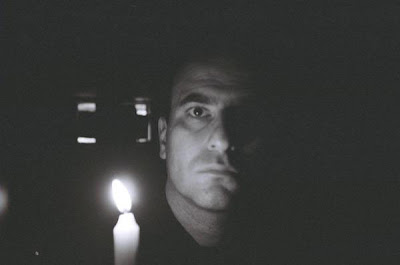
Q & A: Colin Michael Day Discusses Acting, Travel and "The Loneliest Road in America"


Q & A: Colin Michael Day


1) Congratulations on the completion of The Loneliest Road in America. From a viewer standpoint, it really felt like we traveled on an authentic road trip across the southwest along with the cast of characters. How long did it take to shoot the film and what was the process like? Did you all embark on a journey together and where did you guys shoot?

It took about 1 month to shoot the entire film. We started in Denver and pretty much shot in sequence in Denver, Utah, Nevada and LA. In Denver, it was just me; Chris Hayes, the actor who plays Matt; Mardana Mayginnes, the director; and Tony McGrath, the cinematographer; and then we met the rest of the crew in Nevada.

The process of filming the movie was a blast, but it was hard. We had to be detailed and thorough about the shots we wanted. We only had so much light during the day so we had to be quick and precise. We didn’t do more than 3 takes for any scene throughout the entire movie. And since all the actors were very prepared, it made it easy for the crew to do their job. Plus Mardana and Tony had been working for a long time preparing shot lists.

Since we went in so ready with the shots we wanted to do and the actors feeling confident with their lines, we avoided a lot of problems. Of course, there were some problems, because it’s bound to happen, but we didn’t have as many as expected. Basically, we were like a family while shooting; everyone got along really well. There were some disagreements and arguments, but that’s normal. Overall, we had great chemistry on location and it was a great experience.

2) I found it interesting that your director Mardana Mayginnes initially wanted you to play the role of Matt -- the wisecracking and blunt sidekick. To me, Matt and the more contemplative character you played – Jamie -- seemed like night and day. What drew you to the role of Jamie and why do you think Mardana originally saw you as Matt?

Mardana saw me as Matt because we’ve been on road trips together, and we’re partiers much like Matt’s character. I make a lot of jokes and tend to be the funny one, even though I don’t have the exact personality of Matt. But Mardana thinks I’m funny, and I’m flattered by that. And since I’m not really a depressed person or anything like that, because that’s not my personality, Mardana thought the Matt character was more me and that I would have fun playing him. At first I did think it would be a lot of fun, and Matt’s a big character in the film, he’s on screen a lot, so it would have been a good role for me.

As time went on, however, and the more I read the script, the Jamie character seemed to be more of a challenge for an actor, and I felt I could pull it off. There was more emotion, more back story. Plus, he is the main lead, you follow him throughout the whole movie and I thought that would be challenging, that was something I could do. And I thought for this movie to be a big success, I felt I could pull it off better than someone else auditioning.

3) It seems appropriate that the trip just seems to continue in the movie as it ends. Where do you think Jamie is now?

To be honest, we’ve joked about this and we think Jamie went to South America. That seems like a place he would go, to get out of the U.S. and get away. It seems like a fun place and he could meet people and hit on women. He could get away from everybody and continue his life. That’s the great thing about the ending of the film, people can guess where he went, and they can imagine where life took him. He could go anywhere, really, like Alaska or Japan. Hell, he could be hipping out in a nude colony somewhere. It’s your own opinion really as to where he ends up, but I think he went to South America.

4) Throughout the film, you guys made excellent use of music. Personally, do you have any particular favorite songs to add to your iPod or mixes when you travel?

The music credit is given to Mardana, completely. I was there through the process, but he knew what he wanted. He had a complete idea; I think he hit on the mood everywhere through the movie. I kept commenting and saying this song or that song was good, but he saw it, he heard it.

When it comes to creating music lists, to be honest I create mixes from my friends’ suggestions, because I don’t go out and find stuff on my own usually. I mean, Mardana got me into Cat Powers and Kascade. But I’m really open to all types of music, I don’t keep to a certain genre. Like right now, I’m listening to the new Kascade CD that’s just come out but I don’t limit myself to just techno; I love rock n’ roll and oldies like The Beatles, Rolling Stones, Pearl Jam. The list goes on. I even like opera.

5) Your biography reveals quite an extensive background exploring the world. Out of all of the various getaway locales, what’s one memorable experience and place that sticks out?

I have to pick just one place? I could pick many, I could go on forever, because there are so many unique places I’ve seen. But if I have to pick, one of my greatest moments was when I was living in Sydney during a semester studying abroad. I have a lot of family that lives there, and as a favor to my aunt, I started coaching my cousins’ girls’ basketball team. They were horrendous, I mean, they were getting creamed by everyone they played.

My friend Jason and I decided to be their coach, and it was just such an interesting experience. While I was having a great time living there and acting, I just loved going and coaching. It was another challenge, and it was a blast to teach them basic skills and plays. We actually started winning and other teams were trying to copy our defensive and offensive strategies. To be able to do that in another country, especially one where basketball isn’t very big, it was truly unique.

I guess the reason I enjoyed it so much is because, when I travel, I love meeting people. I can go on adventures climbing mountains and hiking through towns and seeing great landscapes, but I can never get away from interacting with other people, other cultures, experiencing different personalities. I got to be part of a community outside my country, and the parents respected me for teaching their kids. That meant a lot to me because it was coming from people I never expected to get it from. It was a great feeling and an amazing experience.

6) As an actor and producer, what do you think your background as a business major and tennis player at the University of Denver has taught you to use in your field?

My business major helped me with creating the movie, or at least the business plan but it’s a different beast creating a movie over a business plan for a class. We have our own production company, so my business background helped with that but in all honesty, business didn’t help much with my acting. Tennis helped a lot, because of the competitive nature and the work ethic tennis required throughout my life. And that’s why I wanted the Jamie character, it was a challenge, and in tennis you’re challenged. You always want to compete against better players so you can improve.

Acting is hard, even though I was told I was a natural, but that doesn’t mean I was a great actor. Same as tennis, I was told I was really athletic, but that doesn’t mean I was going be a great tennis player. I had to work at tennis; I had to learn the strokes, the techniques, all the little details. The more I practiced the better I got.

There are a lot of details you have to work at in acting, too, like scripts and lines, your reactions to situations, the way you listen to other actors. The more you do it, the better you get, it’s like muscle memory. You stop thinking about it, you just do it naturally and you’re in the moment. It’s all about working at it. I keep growing, I’m always growing, and you’re always learning new things. If there is one thing I could say to actors out there, continue to act. If you love it, keep doing it.

7) I read that you’re continuing your acting studies with Elizabeth Metznick who specializes in the Meisner Technique. I’m unfamiliar with that approach. In a nutshell, what is the Meisner Technique?

It’s pretty simple when you’re doing it, but it’s complicated to explain. Basically, Meisner believed in being as natural as possible while acting. It’s an acting technique that emphasizes reacting off another person or an environment. But also as you start the process, you start learning about your emotional self. Meisner strips you of a lot of your defensive shields and opens up these emotions like sadness, anger, happiness, and makes them truthful, not fake. This is all in the first year of the process, and the second year you do all the character work, the character building. You’re adding point of view, roles, and there is a lot of improve and reaction involved.

The reason I like studying with Elizabeth is because I feel like I take one step forward, two steps back. I know that sounds weird, but it helps. Elizabeth is great, and I chose her because she calls you out on things. She wants you to see what you’re doing. She can see what you can’t, and you can’t hide from that.

Many people will get frustrated and blame their teachers, but I never get upset at the teacher. I never got mad at Elizabeth, because I always felt her comments were helpful and she guided me through this technique. Once you break through that wall, take that step, you feel great. It’s just helping me learn, because I’m always growing.

8) Since you have such a versatile resume in theatre and film as well as roles both in front of and behind the camera, professionally what do you have lined up next?

Well, I just finished another short film where I played a math genius that kind of goes crazy because he’s trying to find an equation to create a portal to an alternate universe. I’m the only actor in the film and it was a great character role. I had a blast, and I think it has a lot of potential to go somewhere.

There are a few plays coming up at Elephant Theater Company that I’ll hopefully get involved with. I’ve been talking to people about doing some web series, and it’s been exciting talking about doing those projects. Within our crew, we have about 3 scripts that we’re hoping to start pre-production on in the fall. But I’m not doing anything anytime soon, because I’ll be going to South Africa for the World Cup. All I’ve been doing recently is a lot of publicity for Loneliest Road, just trying to promote the movie.


Text ©2010, Film Intuition, LLC; All Rights Reserved. http://www.filmintuition.com Unauthorized Reproduction or Publication Elsewhere is Strictly Prohibited and in violation of the Digital Millennium Copyright Act.

Wednesday, August 5, 2009

Q&A: Tony Shalhoub Discusses the Final Season of USA Network's Award-Winning "Monk"


The Eighth and Final Season of
USA Network's
Monk
Kicks off on Friday August 7


Delicious
Bookmark this on Delicious
submit to reddit
Print Page

Digg!

MovieBlips: vote it up!

Before he bids farewell to his most famous role which has garnered him countless awards as one of America's favorite contemporary detectives, actor Tony Shalhoub was kind enough to take part in an informative and in-depth Q&A session by phone.

Although he's most likely been asked these questions several times before and after eight seasons, he may have preferred to wait for the final episodes to get well underway, Mr. Shalhoub was so generous with his time that we even discovered he was volunteering to speak with us while at a family reunion set in Door County, Wisconsin.

And his ability to put a unique and thoughtful spin on answers that derived from some similarly phrased inquiries to ensure that readers would be able to fully understand just how proud he is of the hit series Monk was incredibly inspiring. Trying to weave back and forth to piece together those threads Shalhoub was able to drop and pick up effortlessly (and leaving off all of the readily available information you can find on Google)--when I began reading the mini book-length transcript, ultimately I felt that it was best to just piece together his responses to the topics that as a fellow viewer I had the most interest in myself.

So without further ado, I'm honored to share with you:

Tony Shalhoub's Thoughts
On Life As, On, & After
Monk


Lessons from Monk

Tony Shalhoub: I would want people to take away this idea that sometimes people’s problems or neuroses are really the things that are kind of a blessing in disguise, and even though there’s, you know, sometimes there’s pain associated with these things that sometimes in the face of adversity with obstacles to overcome, people can really kind of soar and find their higher selves and I think that’s what we’ve tried to do on the show is we’ve portrayed this character as someone who turns his liability, his liabilities into assets per his life. And that there’s – and I hope that when we get to the end – I don’t know this for sure, but I hope when we get to the end of season eight that we’ll have seen some real healing from Monk, and I believe in that. I believe that there is healing and that there is change, and that all of those things are – they are just really, really key to all of our lives.

The Legacy of the Series

Tony Shalhoub: Well, I think one of the things that will be remembered about this show-- I hope will be remembered--is that at a time when there was, in a lot of television, especially with the onslaught of cable and in a period where television is kind of redefining itself, that there were precious few shows on the air that were suitable for a wider audience, like a younger audience, you know, people in their 30s and then people like elderly people in the 70s and 80s. That there was a show that all those different demographics could tune into and appreciate, and would appreciate on their own level.

And I think there aren’t a lot of shows like that. There haven’t been a lot of shows like that in the last decade. And I hope that that’s something that people will focus on and remember for a long time, you know, that it’s still possible to do interesting stories and good comedy without having it have to be all exclusively adult themed kinds of things or super violent or with language that some people might feel is inappropriate for younger audiences, and that this show was kind of able to stand out and do that.

Q: Why is This the Final Season?

Tony Shalhoub: Well, I think there were a lot of things at play there... long conversations that I had with Andy Breckman, you know-- one of the co-creators and the main writer. We’ve been talking all along about how many seasons to do, how many episodes that he had in him, you know, as the writer. He, at one point, said that he didn’t think really he had more than six seasons, and then he kind of got a gigantic second wind, and we did the seventh, and we weren’t sure when we were doing the seventh if the network was going to go with us on the eighth. But to make a long story short, we all kind of agreed that the eighth season would be it for all of us.

I think it will have 124 episodes by the end of the eighth season, and I think we’re all ready to resolve the storyline and move on to other things. We certainly don’t want to go too long and have the quality start to wane and just limp to the finish line. We want to go out while we’re still really, we feel really that we’re doing great work and delivering really strong episodes. We want to go out on a high.


Qs: How Will it Be Structured?
Thoughts on Solving Trudy's Murder?


Tony Shalhoub: What the writers have in mind is to do our normal standalone episodes for the first, I would say, 11, because we’re doing 16, as usual. So the first 11, I would say, are going to be standalone, and then the last 5 is when we’ll be kind of connected. They’ll have a connected tissue, and we’ll start to get into the wrap up, not just of Monk, but of some of the other characters as well. Then what they want to do is the final two episodes, number 15 and 16, it’ll just be one story, a two-part, you know, aired in two segments. Just to follow – that episode, I mean that two-part will involve the wrap up of Trudy’s murder, you know, the solving of Trudy’s murder.

I really think it should be solved. I know there are people who say that maybe it shouldn’t because that would mean that there would be life for this character beyond the series and that possibly the solving of Trudy’s murder would cure him in some way or take down his OCD symptoms, and then the character wouldn’t really be the character that we’ve come to recognize. But I really feel that we’ve worked this storyline so delicately and for so long that I think we owe it to not just the audience and to ourselves, but to the character of Monk and to the character of Trudy that we’ve created. I think we should solve it.

I think it will give him some – I think it will actually help him, and it will give him some kind of peace and some kind of – and in that peace, his OCD symptoms will begin to, you know, significantly drop away. And when that happens, I think he’ll be able to move forward in his life. You know, he won’t feel so paralyzed. He won’t feel so – he won’t have such an aversion to being with other people. He might even, who knows – I don’t know because the writers haven’t revealed this to me, but he might even be able to find love and romance in his life again. All those things, I think, remain, you know, all those things are on the table and are good possibilities.

Q: Are There Any Surprises in Store?

Tony Shalhoub: Sharona [is] coming back. Bitty Schram is going to come back for episode – I believe it’s episode number 12, which will start shooting in September. And they want to bring that character back and kind of wrap it up and kind of give that a good send off. A lot of people really missed that character and the dynamic between Monk and Sharona. And so we’re all looking forward to that.

Of course, we’ll see Harold Krenshaw comes back-- one of my favorites. He’s the other OCD patient who is always kind of in competition with Monk, played so brilliantly by Tim Bagley. He’s going to return for at least a couple of episodes.

Dr. Bell, the psychiatrist will be in a number of episodes. I don’t think – people have asked if we’re going to see Ambrose. I don’t really think that's in the cards simply because that’s … John [Turturro] is so busy. It’s difficult to schedule him in. I mean, if I had my way, we’d do kind of what Seinfeld did and bring back almost every guest star there ever was on the show, but ours is going to go in a different direction.

Qs: What Have You Learned from Adrian Monk?
What Has Adrian Monk Learned from Tony Shalhoub? 
How Have the Two of You Changed (the character and the actor)?

Tony Shalhoub: From Adrian... I think I’ve learned sometimes, you know, hyper-focusing on things is actually a good thing to do. Not all the time, and I wouldn’t want to be as kind of fixed – you know, get as fixated and as obsessed as Adrian, but sometimes, you know, I’ve found that it’s really helpful to look at things in my own life with the same kind of sort of relentlessness that Monk does, just turning something over and over and over and trying to see it from all angles, and not being too quick to judge something or label something. So in that sense, I feel like I’ve gained a little real life wisdom.

Sometimes I feel like – there are moments when I feel like I’m just nothing like the character. But then something will happen, and I’ll just realize that I’m rearranging something on a table at a restaurant, which seems that in that particular moment, seems like it’s absolutely essential that the sugar packets are facing one way and that everything else has to stop until this particular task is completed. Then I realize, “What the hell am I doing? I’m channeling the character again.” It just kind of comes over me in waves, and I have to really, really check myself and try and pull myself out of these things.

What has Monk gotten from me? I feel like Monk has maybe become a little more – because I was playing the role-- maybe Monk has become a little more open to others and embraces to the level, to the degree that he can, embraces other people’s point of view. I feel like I’ve been that kind of a person in my life, open-minded.


I wasn’t really there when the character was created. The script was around for a number of years before it came to me, although I do feel that I’ve had some significant input. When I came to the project, the script and the character was somewhat different, and I had long conversations with Andy Breckman about kind of morphing the character more towards to what I wanted to do, more to my strengths.

The original script that I read was somewhat more – was a little more slapsticky-- and I wanted to emphasize the kind of darker aspects of this character and more … and so that was a conversation that a lot of the producers had in the beginning. And I think Andy did such a great job morphing what he had originally written to fit me and what I wanted to do.

Digging Past the Laughs --
Comedy Plus Drama: An Actor's Approach


Tony Shalhoub: The process was really one of - it’s a process that I use and have used in approaching other characters, which is to find out – you know, knowing that it’s a comedy and to find out what – in any comedy, what I try to do is I try and find out what are the more serious aspects of the character. And, conversely, when I do a serious role, I try and find out what’s funny about the character.And the beauty of this particular character is that I’ve had the opportunity to do both comedy and drama within one series, one character.

So it’s really digging out the – when you’re doing the comedic moments-- digging out what’s really, really at stake and what is the most important and most serious thing to the character, which I believe informs the comedy. And then conversely, you know, when the moments are really dark and poignant, trying to infuse those with an unexpected and sometimes inappropriate or seemingly inappropriate comedic flash, you know, a little spark of something absurd or comedic. That’s been my approach.

Favorite Episodes?

Tony Shalhoub: This is so difficult because I have so many that are just so near and dear to me. I kind of will reframe the question in the answer, I think. The ones that – I will say the ones where I think we did, where we’ve done the best, in other words, those episodes where we did 100% of what we set out to do or 100% of how we imagined the show should be in a perfect world when we’re doing our job – just the best. Those episodes would be, I would say, the first John Turturro episode where we meet the character of Ambrose. That was called "Mr. Monk and the Three Pies."

Another favorite of mine was "Mr. Monk Takes His Medicine" because it was a chance for me to do this character almost as a different character – see a different part of him emerge. We did an episode that we just shot in the first part of season eight, which will be airing in about a month. It’s called "Mr. Monk is Someone Else," and it’s an episode where it’s basically … assume this character of a man who looks just like him, but the character happens to be a professional hit man for the mafia, and this character dies, and Monk is asked to take on, you know, to take this guy on and become him. And so those opportunities to kind of transform within the character are really, really challenging and satisfying.


Join Monk's Social Communities


Text ©2009, Film Intuition, LLC; All Rights Reserved. http://www.filmintuition.com

Unauthorized Reproduction or Publication Elsewhere is Strictly Prohibited.

Wednesday, July 29, 2009

Book Review & Interview: The History of Independent Cinema by Phil Hall (2009)


Now Available to Own


Other Books by Phil Hall


Delicious
Bookmark this on Delicious
submit to reddit
Print Page

Digg!

MovieBlips: vote it up!

As a contributing editor at Film Threat and a contributing writer to The New York Times, Wired Magazine, The New York Daily News, and American Movie Classics Magazine, Phil Hall's knowledge on the subject of cinema is so vast that you wouldn't have guessed there would have been too much left in the film world he had yet to explore.

Yet when you read the work of Phil Hall, you uncover his unique brand of both literary and cinematic criticism and journalism as well as his singular ability to marry the two together. And when this "a ha" moment happens-- similar to when the hero catches up to a MacGuffin in a Hitchcock film-- you realize that Hall isn't exactly the type of scribe who would have ever been content to release something that could be considered Fast-Food Criticism or McHistory. Simply put, you know he's taking you on a journey with him to explore a topic that fascinates him as well.


Generous to share his work with others which is not something for which the world of dog-eat-dog criticism is known, Hall's book that's accessible to all knowledge levels turns the keyboard over to two other talented wordsmiths following his author's note.

And after a wonderfully thought-provoking foreword by Mike Watt that hits critics right where we live by noting that in the digital age where anyone can go out and shoot a flick, when a wounded director challenges, "Oh yeah? Where's your movie?" Watt very correctly points out that we better have an answer (x).

Opening her segment with a delightful quotation from Jane Austen as a nicely unexpected deviation from the world of cinema which is just one of several literary quotations used throughout, Leslie Dallas has the daunting task of trying to describe just what it is that qualifies something as an independent film in this day and age.


Yet, although most likely due to his background with print and online journalism, Hall breaks up his historical text with Top 10 Lists contributed by others celebrating their own selections of "The 10 Most Important Independent Films of All Time" that again hearkens to his collaborative nature, it's the text itself that mostly captivates.

Despite this I must grant that film studies majors and movie buffs who absorb the history of the medium with the same fervor shared by those who worship the highs and lows of their favorite sport may find some portions of the book less illuminating than others who are new to the topic. Nonetheless, I was blown away by Hall's journalistic ability to avoid phoning it in by utilizing the oft-repeated facts of 99% of film texts to uncover some truly unique findings in the process which makes his History stand out on the shelf.


And sure enough Hall's research leads him into some completely surprising terrain of discovering that Wizard of Oz creator Frank L. Baum was the first independent filmmaker in history to try and actively "build a franchise" from nothing the way that blockbuster studio ventures take for granted now, complete
with tie-in merchandising and commercial product placement deals.

Additionally, he cites Frank Capra's It's a Wonderful Life as an independent film and notes much to surprise of the legions of visitors to Disneyland and lovers of all thing House of Mouse that Walt Disney struggled for decades an indie filmmaker. And throughout the succinct but informative three hundred page paperback work from BearManor Media, Hall is acerbic with his wit yet able to relay the most complicated of Hollywood brouhahas concerning red tape and legal shenanigans in ways that instantly make sense to readers embracing the subject matter for the first time.

Along the way he frequently includes fascinating mini-portraiture of indie luminaries. In doing so, he discusses the work habits and difficulties facing the pioneers of United Artists up through the era of Orson Welles and John Cassavetes as well as the more experimental terrain of Maya Deren and Andy Warhol all the way through the most recent evolution of independent filmmaker from the Martin Scorseses of the past to Jim Jarmusch, Steven Soderbergh, Quentin Tarantino and others.


Taking into consideration the social implications and the way that self-financing and making one's own films helped level the playing field to give everyone a voice to try and fight censorship restrictions, represent their ethnicity, native language, gender, sexual orientation, and more, Hall addresses a Mario Van Peebles title being rated X "By An-All White Jury" and other taboo films that are now considered indie classics.

However, as a bookworm I longed for an index as well as a bibliography or list of suggestions for further reading. Likewise, aside from some of Hall's in text references, some of the facts in the book were so intriguing that I wanted to learn more about their origins and was surprised there weren't any footnotes or citations which I felt may have strengthened some of the points even more. Still overall, I'm utterly in awe of the amount and quality of work he managed to accomplish in such a worthwhile text that I'd highly recommend regardless of your familiarity with the subject matter.

In fact it was a topic I was greatly interested in on a personal note as incidentally it was the exact same one I was going to pursue in thesis form until I kept having to whittle it down at the request of my university advisers who correctly argued that for my purposes it was much too broad. Still, I kept all of my work, mind-maps, and questions and was thrilled by Hall's result.

Moreover, I was consistently amazed by how many overlapping names and titles were included from my notes of five years ago since Hall-- having the freedom, expertise, and ability to open those doors-- dared to actually go down all those roads to learn more about the issues I only dreamed about to share them for the benefits of the reader.


While out of necessity-- since the topic is so enormous that the book may have turned into an encyclopedia printed on biblical paper-- Hall's description of major figures does begin feel a bit overly succinct as we get closer to the conclusion and not too much time is spent on specific individuals unlike the subjects given painstaking research from the beginning of his book.

Still for those curious to learn more, there are many readily available titles you can find to pursue some in greater depth and likewise, there's no better source than using Phil Hall's book as a guide to track down their films as well as the influences he acknowledges when he discusses "the children of Maya Deren" for example or filmmakers who came after others and were thereby inspired.


Immensely well-written by a journalist who knows the industry so well that he's worked every angle of it from distribution to journalism to criticism to film festival organization, Hall is an ideal guide for the subject. And when he was asked to comment on the switch from critic to author (as The History of Independent Cinema is actually his third book so far), he humbly noted in a recent NPR Interview that he figured he might as well become a historian as though it were just the next logical step since he'd done everything else.

While he's definitely right in theory about that since the man has accumulated so much knowledge, it's wonderful to not just share-- but go the extra mile to dig deeper to learn more and use the benefits he has as a respected member of the press to include those findings with us-- I for one feel that "historical author" is a role he should definitely continue.

Independent Cinema Photo Slideshow


Q&A: Phil Hall

1) What were some of the first independent movies that you recall—not just making an impression on you as a film fan—but that you specifically recognized were from a source working outside the studio system?

The first time I can recall seeing a film that was specifically identified as an independent production was in 1974, when the local PBS station in New York (where I grew up) broadcast “A Time Out of War.” That won the 1954 Oscar for Best Short Subject and the broadcast noted that it was as a student film. Even though I was only 10 years old at the time, I thought it was amazing that a bunch of students could make a film that won the Oscar.

2) Although now so many lines are blurred between the indies and studio financed films—who are some of your favorite independent directors making movies today? Or if it’s easier—who were the directors before they hopped aboard the Hollywood express?

My favorite directors would include Antero Alli, Andrew Repasky McElhinney, Josh Koury, Bill Plympton, Michael Mongillo and Jimmy Traynor.

3) Obviously with all of your experience as a critic, author, festival organizer, and film distributor—there was a lot about this subject that you knew going into the project. What were some of the biggest surprises or discoveries you made while researching the book?

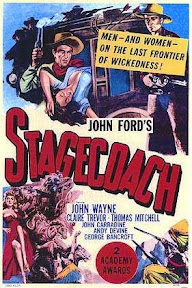
Prior to doing the research for this book, I was unaware that experiments in three-dimensional films go back to 1915. I also didn’t realize the depth and scope of the corporate sponsored film sector, or that some of the films that were made by corporations and nonprofits went on to win Academy Awards. I also learned to appreciate the career of Walter Wanger [Stagecoach], who was a major independent producer in the 1930s and 1940s but who is barely recalled today by the general public.


4) I really appreciated the way that the Top 10 lists were used to break up the text and offer various points-of-view. How did you choose your contributors and did you provide them with specific criteria in case you received a list that included faux indies such as My Big Fat Greek Wedding, Pulp Fiction, or Sideways?

I chose the contributors based on the hunch that they would produce eclectic lists that would generate thought and, possibly, debate. I didn’t provide any specific criteria, though I believe in one case I asked for a substitution because a studio film was chosen.

5) Out of curiosity—what was your take on mumblecore? I caught onto the trend pretty much as it began to fade away and just as it began to evolve into a tighter narrative structure. But what do you believe the next emerging phase—for better or worse—will be for independent cinema?

I believe that mumblecore is the laziest type of cinema to make and the most irritating to watch. Audiences are not embracing it, and I imagine that distributors will shy away from it unless there is a surprise breakout hit. As for the next phase, I have no clue.

6) I found the NPR interview fascinating especially because it dealt with two issues that I think could make or break the future of American cinema and especially independent filmmaking. And namely this was when you guys discussed the over-abundance of film festivals (how resources, audiences, etc. are spread too thin with dozens taking place in a year and may—as you noted—dilute the impact they mean to have on indies) as well as the idea of creating tax credits to encourage filmmakers to shoot their productions here in the United States. Can you elaborate on these issues and your own views and how you feel they could either potentially harm or hinder independent filmmaking?

The glut of festivals has been a major problem for indie filmmakers, since the vast majority of these events are poorly promoted and offer nothing in the way of industry connections or artistic validation. Filmmakers need to focus on festivals that will bring them results – if no one is in the audience and no networking can arise from the festival screening, then time has been wasted.

On tax credits, my opinion is that this is a terrible idea. When state governments are going broke, priorities have to be set – and encouraging film production, quite frankly, is not my idea of a priority in the ongoing recession.

7) Another interesting idea mentioned in the NPR interview was in reference to films like Sam Mendes’ Away We Go which has an independent film vibe but is definitely not independent. Additionally, it’s one you also noted that you felt-- to make it seem “indie” for audiences-- was a trick to cash in since it’s more Hollywood-light and missing the indie edge. Do you think viewers will be able to tell in the future what is a true indie and what’s a studio indie?

Unless the true indies can get a proper release, viewers won’t have much of a choice. Theatrical distribution opportunities for indie films is becoming tighter, and even the straight-to-DVD indies have problems getting attention.

7a) And again, what do you think Hollywood is saying about their own industry when they have to mask their studio made product to try and get people into the door to appreciate a straightforward story?

The studios will do anything to make money. Nothing from Hollywood surprises me.

8) In the introduction of the book, you mention that the topic is purely American financed and predominantly American based work and even make a comment that global films would be a different book altogether. (Actually, I’m guessing it’d take up several volumes including one for Latin America, the UK, Asia, Europe, etc.) Do you have any plans to continue on in this line of study in a global realm or any other future projects you’re considering?

No, this was strictly an American focus. No other nation’s independent film sector has witnessed such a dramatic impact as the U.S. indie sector.

9) Okay, I won’t ask you for a Top 10 List but just for fun—can you give my readers a brief “must rent” list of some indies that you think they’d be surprised to discover are actually indies?

1. “The Birth of a Nation” (1915) – The first indie film to have a major social impact. A morally reprehensible film, to be certain, but it needs to be seen.


2. “Snow White and the Seven Dwarfs” (1937) – Yes, Walt Disney was an independent filmmaker prior to the creation of his Buena Vista distribution subsidiary.

3. “Stagecoach” (1939) – An independent production, directed by John Ford and produced by Walter Wanger.

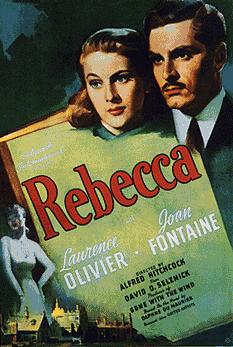
4. “Rebecca” (1940) – Directed by Hitchcock, produced by Selznick, and the first independently produced feature to win the Best Picture Oscar.

5. “The Best Years of Our Lives” (1946) – Independent producer Samuel Goldwyn’s greatest achievement, and a truly astonishing drama.


6. “Othello” (1952) – Orson Welles left Hollywood and raised money all over Europe to create this wild and brilliant interpretation of Shakespeare’s tragedy.

7. “Easy Rider” (1969) – Yes, this was an indie production.


8. “Fritz the Cat” (1971) – The first X-rated animated feature was also an indie offering.

9. “Give ‘Em Hell, Harry!” (1975) – Noteworthy as the first shot-on-video film to receive an Oscar nomination, for James Whitmore’s incredibly performance as Harry S. Truman.

10. “Stop Making Sense” (1984) – Arguably the best concert film of all time, and my choice as Jonathan Demme’s finest work.


Text ©2009, Film Intuition, LLC; All Rights Reserved. http://www.filmintuition.com

Unauthorized Reproduction or Publication Elsewhere is Strictly Prohibited.

Sunday, June 21, 2009

Film Intuition Interview: Rachael Leigh Cook

The Film Intuition Interview
Rachael Leigh Cook Will Call You Back


By Jen Johans


Recently I had the pleasure of interviewing Rachael Leigh Cook about the independent film Bob Funk, which hits DVD shelves on 6/23.


As a fellow native Minnesotan who’d grown up around the same time and in similar neighborhoods as Cook, it was an interview I was very much looking forward to tackling. And this was especially the case since-- aside from realizing that she is incredibly professional and truthful-- once our mutual backgrounds came into play, the conversation became much more free-flowing.

While Film Intuition is nearly three years old and more than twelve hundred reviews have been compiled into our database, it’s only over the course of the last year that I’ve been fortunate enough to take part in interviews and Cook’s in particular is one that I know I won’t soon forget.

Aside from feeling completely at ease, there was an element of great humor involved. For, after confessing to Cook that like her Bob Funk character Ms. Thorne, I’m a terrible klutz, midway through the call, somehow we got disconnected.

Terribly embarrassed and worried I must have done something wrong, I looked at my phone in panic. Yet thankfully after a few seconds, Rachael Leigh Cook called right back, confessing that most likely the mishap had occurred due to her mischievous cat who had been trying to sabotage the interview in the hopes of gaining Ms. Cook’s undivided attention as well as a trip outdoors.

Earnest, self-deprecating, far too humble, and quick to laugh or give a refreshingly honest answer—although I was voted off the island by her cat, which marked my first celebrity pet hang-up experience since the feline was just not that into me— I was honored that Cook took time out of her busy schedule to not just help promote a film but also discuss her extremely varied career.

Thus, Minnesota nice-- I’m happy to say-- still triumphs in Hollywood.


Delicious
Bookmark this on Delicious
submit to reddit
Print Page

Digg!


Bob Funk:
Theatrical Trailer


Jen Johans: How’s your Monday going so far?

Rachael Leigh Cook: Monday is going good so far-- just trying to spread the Funk I guess.

Jen Johans: Great, well I wanted to say I really enjoyed your Jean Arthur-like screwball performance in the movie because I thought you added some humor and brightness to it. How did you become involved in Bob Funk?

Rachael Leigh Cook: Well, pretty standard channels. The script went to my agency-- the agency submitted a list to the producers of people they thought might be right for it and I met with the producer and director. I really loved the script when I read it. I had a feeling I would when I heard the title-- not to judge a book by its cover-- but I just had a good feeling about it. It sounded like a good indie and sure enough the writing was just all there. I really got a kick out of the producer and the director-- they're just so passionate about it and I felt the same way so I just did my tap dance, did my best… and got it… just lucked out really.


[On working in independent films like Bob Funk]

Rachael Leigh Cook: When you shoot movies this small, you gotta be ready to go. You gotta know your lines. You can’t mess around. You have to be able to anticipate variables because things are going to be crunched as they are without too many random things like “I don’t know if I can say this line.” You better air your stuff in rehearsal because nobody has time for that.


[Discussing that it was made 1.5 or 2 years ago]

Jen Johans: It’s great that it’s finally getting released now.

Rachael Leigh Cook: Yeah, definitely. We went to Cannes last year for it and did some sales there. Cannes I like the way I like Las Vegas in that it’s exactly what you think it’s going to be—when you have an image of a place and it completely delivers--that’s what I like. It’s an amazing experience; I’m lucky. I have a really cool life. I’m not bragging; I’m just grateful.

[Funk]

Rachael Leigh Cook: It’s good that it’s finally now getting out there; it had a really limited theatrical release—just enough. And everybody likes to watch things at home nowadays—well, not the blockbusters but there’s some movies like this you don’t need to see on the big screen… not really. I’m sure that that’s not like the right thing to say but--

Jen Johans: No, I mean—I think sometimes it’s like finding lost treasure when you can watch a good independent movie at home and you can’t wait to share it.

Rachael Leigh Cook: Exactly.


Jen Johans: Well you brought a lot to the movie and as a total klutz myself I loved the character of Ms. Thorne--

Rachael Leigh Cook: Oh, you are? Oh, I'm sorry.

Jen Johans: No, I thought it was great! I was wondering-- what's the strangest thing you've ever broken?

Rachael Leigh Cook: Let's see, I've bent eyeglasses out of shape constantly but that’s just more—you know-- how you fall asleep on them somehow and that’s not good. Um, nothing that serious—I break glasses—I can’t walk with a glass of water. I don’t know why but water flies everywhere; I don't know what's wrong with me-- my husband [Daniel Gillies] just says I can't be trusted with anything liquid. Gosh, I don’t know—I remember wiping out in front of boys I liked growing up in Minnesota but other than that, I can’t think of one thing in particular. What about you?

Jen Johans: Oh well, the strangest thing—I’m from Minnesota too by the way--

Rachael Leigh Cook: Oh, no way!

Jen Johans: Yeah, the Minneapolis area and I think we’re shy back there so that’s part of it. But when I was new in school, I ended up knocking down part of the ceiling on my first day—we were playing silent ball…

Rachael Leigh Cook: What?! How’d you knock down part of the ceiling?

Jen Johans: Well, we were playing silent ball-- you know where you get to know your classmates and I think I let it go a little too soon and the ceiling was old and I’m tall so yeah, I knocked down part of the ceiling…

Rachael Leigh Cook: Oh, you’re awesome! Oh my God!

[We discuss Minnesota and high school]

Jen Johans: Do you go back there often?

Rachael Leigh Cook: Yeah, I hear your familiar accent. I went back a couple of times last year. I actually went to the Republican National Convention-- not because I am one but because I went with a nonpartisan group… not that it’s a bad thing but I went out to St. Paul for that. I want to go out—oh gosh, maybe I missed it—there’s this giant neighborhood garage sale called the Echo Super Sale that I love going to so I flew out for that last year.

Jen Johans: I know, I miss the garage sales-- those are the best!

Rachael Leigh Cook: Aren’t they?!

Jen Johans: Yeah! I was going to ask you—of course, aside from family and friends—what are some of the things you miss the most about the Midwest?

Rachael Leigh Cook: Well we have the best state fair on the face of the Earth—I’m certain of that; I love the state fair. About the Midwest? I miss the seasons, I miss the way people talk to each other, I miss knowing who my neighbors are… gosh, so much of it—being around people who really truly know what’s important in this life. [She mentions that of course, our adopted cities of LA and Phoenix aren’t bad and asks me the Midwest question]

Jen Johans: Probably the same things—for me it was the Fall leaves, you know because it’s pretty gray and lots of cactus—I mean there’s colors in the desert but the same things like knowing who your neighbors are. But it’s funny you mentioned the Republican National Convention because I wanted to applaud you for your efforts on the Obama campaign.

Rachael Leigh Cook: Oh, thank you. You never know where people stand. I didn’t want to--

Jen Johans: Oh no, not at all. What was it like?

Rachael Leigh Cook: It was an amazing experience.

Jen Johans: And how did you become involved in the Obama campaign?

Rachael Leigh Cook: There's this woman who is an incredible champion of Barack’s who coordinated out of Los Angeles. She’s a really big, awesome Dem and has always been a huge supporter of Barack’s. She was volunteering anybody she could find who might mean something to the campaign in terms of name value. I really wouldn’t have made it onto the list of people the campaign approved in terms of the people who are the most famous by a long stretch but I think just having a pretty clean reputation served me well because I passed their screening process.


So I was able to go out and mostly just register people to vote—we registered almost 900 people in the state of Pennsylvania but it’s not something that somebody else couldn’t have gone out and done also. It was really just pretty typical things—we had access to the platform because of being involved in the campaign but mostly we would just wander the neighborhoods and register people to vote the same way that anybody could have done. It really made me want to get involved in things just on my own—just get active and sort of do something with my life rather than just pretending to be other people occasionally.

Jen Johans: I know you’re most well known for She’s All That but after that movie I loved that you were really willing to become part of good ensembles in movies like Blow Dry. What draws you overall to the material that you end up selecting?

Rachael Leigh Cook: I don't know if there’s much rhyme or reason to it. I've just sort of done what I wanted to do and clearly a lot of things didn’t turn out the way I wanted…just to be honest. But I found material; I work when I need to make money like anybody does. I just—I love what I do. If I have any problem in my career choices, it's just that I like to work too much—I like to stay busy so that’s part of it.


But why do I choose what I do? It’s always just one element, it’s either I gotta play this character—or hopefully it's many combined-- like I've gotta work with this director or I love this cast or I just have to be part of the telling of this story. You know, anything that speaks to you loudly enough you'll sort of rise to whatever that is.

Jen Johans: Of all the different projects you've undertaken from TV to movies, do you have any particular favorites or works that you were surprised maybe didn't an audience the way you felt they deserved?

Rachael Leigh Cook: Let me think—I want to tell you about this film that my husband and I are making that he wrote and is directing. It’s not done yet but it's going really, really well—it’s pretty heavy stuff, it’s the most heavy lifting I guess I've ever done. It’s a really challenging and confronting story—oh, I’m crap at describing things-- but let me see, in the past, I liked this movie I did with Jon Favreau called The Big Empty. I really liked the writing for that as well and I liked the character I got to play and Jon’s amazing of course and that was a real thrill and I’m sure no one will probably still ever see that movie as beloved as he is…

Jen Johans: Yeah, I missed that one myself but I’ll definitely look for it.

Rachael Leigh Cook: Cool.


[On her extensive advertising and modeling work such as the famous frying pan ‘90s “This Is Your Brain on Drugs” ad]

Rachael Leigh Cook: I used to do hair commercials for different hair products for Japan. It was a lot of fun; it was really cool. We didn’t shoot them there—we shot them here in LA. I remember thinking, “I don’t think I’m gonna get rehired” after my third commercial because I couldn’t toss my hair properly. I just looked kind of like I was injured or something and I didn’t know what they were saying but I remember thinking, “Okay, I know this is funny but I also really want this to work out.” So yeah, it was kind of embarrassing that I didn’t know how to do a proper hair toss.

Jen Johans: Yeah, like the Paul Mitchell hair flip?

Rachael Leigh Cook: Exactly, no I could not do this at all!

Jen Johans: You mentioned the film you're making with your husband—is that Broken Kingdom?

Rachael Leigh Cook: Yes, that’s correct.

Jen Johans: So how was it working with your husband—had you guys collaborated before?

Rachael Leigh Cook: Well, we’re both actors so we would both run lines with each other for auditions or what have you but he started writing a couple of years ago and took that sort of turn in his career which is really exciting but no, we hadn’t actively collaborated like this before.

When it gets released, that will be good for him because I think it’s going to turn out really well. I’m biased but I think he’s a really incredible talent. Being a director’s a real personality type and I didn’t really know that as fully as I did until I saw him work because he’s a natural leader and really works incredibly well with actors. He knows filmmaking and has seen so many films—I mean thousands probably-- God, I just have real respect for his degree of knowledge.

[We discussed future possibilities like her interest in producing]

Rachael Leigh Cook: In terms of producing, yeah—I’m trying to get some stuff off the ground now. My friends and I are trying to develop a show that’s about cuisines of different cultures possibly for a Food Network or PBS kind of place. I’m looking to produce a film with a company I do some animated work with—just random things. I’m just trying to put myself on the other side a little bit because I love acting but it’s just good to diversify.

Jen Johans: I think as a woman it’s important to inspire more women to get involved in behind-the-scenes work as well.

Rachael Leigh Cook: Yeah, absolutely—no doubt. And you know it’s a really ageist industry—if I don’t want to be someone’s crazy aunt in 20 years… I don’t know what kind of parts I’ll get. It is what it is.


Jen Johans: I know you just made a movie with Mario Van Peebles. Is it Kerosene Cowboys?

Rachael Leigh Cook: That one’s done, yeah-- the one that we shot in Russia and Nevada—the fighter pilot movie. Mario’s a nice guy… um, I don’t know how that movie’s going to come out—I just don’t know. I'm very hesitant and I don't like doing press for everything and I haven’t seen that film so I’m not gonna--

Jen Johans: Oh, of course—that’s fine, definitely. After catching up with the show on DVD, I’ve become a huge fan of Psych.

Rachael Leigh Cook: Oh, cool!


Jen Johans: Were you familiar with the series before you appeared on the show?

Rachael Leigh Cook: Yeah, I’d seen the show a couple times and really loved it. I love the references and if you watch-- I don't know how old you are but I know we’re of the same generation-- I just think it's hysterical. I love working on it; I've been going back a couple of times this season-- I'm sort of the girlfriend for season four so that's been just a real treat.


Jen Johans: That’s great and yes, I am around that age so I love all the John Hughes references and the energetic feel of the show. I was wondering is that what the environment’s like or is that just the show?

Rachael Leigh Cook: No, it's just so laid back-- so much better to work on than a lot of shows I have friends that do and say it’s really run by committee and really stressful. And this doesn’t really feel like that, it’s a really creative environment-- sometimes you have to improvise a lot. They don’t have like stuffy execs over their shoulders and the people who work on the show really get it. It's a great environment. I really don’t feel like I know what I’m doing with the comedy; I'm not there to be the funny one and so I don't really try to set foot in that ring—that’s sort of their arena but I love it.


Text ©2009, Film Intuition; All Rights Reserved. http://www.filmintuition.com
Unauthorized Reproduction or Publication Elsewhere is Strictly Prohibited.

Rachael Leigh Cook


Saturday, June 20, 2009

Film Intuition Interview: Tanna Frederick

The Film Intuition Interview
Tanna Frederick:


The Actress Who Loves "Putting Things Together"
Is a Woman Who Definitely Has It All Together


By Jen Johans

Recently, Henry Jaglom’s The Rainbow Film Company and actress Tanna Frederick were kind enough to share with me their newest work-- opening in L.A. theatres this weekend—Irene in Time.

While you can read my review of the film here and browse our Trailer & Photo Gallery page for the work here, I was especially grateful to chat with the incredibly down-to-Earth and refreshingly sweet, Ms. Tanna Frederick.


A brainy and polite conversationalist who thinks and speaks in well-thought out paragraphs—as a fellow native Midwesterner, Tanna Frederick’s genuine friendliness and interest in not only the questions asked but in delving further in the exchange as we shared mutual experiences made the interview a rare treat.

Moreover, she’s the type of actress you instantly realize has it much more together than the particular brand of neurotic heroines she seems to master for director Henry Jaglom as witnessed with her award-winning and acclaimed debut turn in Hollywood Dreams. And I think it’s safe to say you’ll agree that ultimately Tanna Frederick is a truly inspiring human being whose passion for her craft is equally matched by her passion to put "things together” as she humbly describes it.


For whether she does this by creating a film festival in her hometown or working with Oceana to help protect her beloved surf, overall I kept wishing that more Hollywood Dreams could be like Tanna Frederick’s and less like the ones we see on the covers of gossip magazines in supermarket checkout lines. Thus, this makes her more than simply an actress but a human being who is definitely ready for her close-up.


Delicious
Bookmark this on Delicious
submit to reddit
Print Page

Digg!

Jen Johans: I really liked Irene in Time; I was wondering since I know you’ve worked with Henry on a couple of projects now—what do you think it is about your personalities that clicks so well?

Tanna Frederick: I think an aversion to authority [laughs]… probably a sense of needing to be different and stick out from the crowd—a need to go against the grain. You know Henry and I just both march to the beat of a different drummer than the rest of the film world and I think that we march to each other's beat which is, you know-- if you happen to find that-- that makes for an excellent collaboration and you’re just blessed and lucky.


We both have this similar sense of rebelliousness and-- for some reason-- have the exact same taste when it comes to everything as far as our artistic aesthetic is concerned. We both just love the same performances and hate the same films and so on and so forth. And when we start working together on a film, you know he's like everything I could ask for in a director and I hopefully provide the same for him as an actress. We just have fun; we have a blast -- it's like two little kids playing and it's lovely.

Jen Johans: You can definitely tell that whatever is going on, you’re on the same wavelength…

Tanna Frederick: Oh great!

Jen Johans: And that’s one of the things I wanted to know is about the creative process because the environments in his movies always feel like they're emotionally heightened but at the same time they’re also loose and natural. Do you do a lot of preparation and rehearsal or improvise or do you kind of have to stay with what's on the page? How does that work?

Tanna Frederick: I think it's different for every actor’s experience on a Jaglom film but as far as my work has been concerned, it's a little bit of everything. There's always preparation that goes into it. For a film that I did-- Hollywood Dreams-- I just spent a long time watching ‘40s films and reading biographies of ‘40s film stars.


And then for Irene in Time, I read a lot of those women’s self-help books and dating self-help books which were just god-awful and so dumb-- you know He's Just Not That Into You, and The Rules-- and then also just really talked to a lot of women about their relationships with their fathers. So there is an element of preparation.

But for me, developing the story-- and having done three films with Henry now being there from the start of the idea of the film to the end with it being released-- I like to listen to Henry and his ideas and his concepts and be able to field all that as different actors are put into the film.

I’m there for the casting and I have a large hand in what goes on. I know what he’s looking for--I know what he wants from start to finish with the film and I know what the script is even if the script doesn't end up playing out or being used verbatim in the final film. I know the essential material and what to draw out of other actors in the film so usually Henry does one or two takes-- rarely three. But having that curve or the arc of the story--the information being told in the very first take-- and then just kind of letting the actors just kind of go off in their own place [enables] the improvisation [to happen] in that sense.


That’s really what's fun about Henry's films is he’s such a jack of all trades and he's not pretentious when it comes to filmmaking. I mean he knows his films are not for everybody, he knows that he loves making films; he knows what he wants from a film for himself to be happy. I know that can be taken as somebody who is pretentious but it's not; you know it's just him wanting to make art for himself which is really lovely.

But underneath all of that he never sticks to one way of how he’s going to get there so he is willing to try some many different avenues to getting the performances out of the actors that he wants to carve the story out of so it's really fun to be an actor in one of his films to try all of those methods to reach a final destination point.

Jen Johans: It sounds like it’s very freeing. You mentioned of course, having to read those horrible books [Tanna laughs] and I have no idea how you did that so you're my hero of the day-- they're kind of the books you see at the bookstore and you just walk in the other direction.

Tanna Frederick: I know, I know and I was just trying to pick out the worst titles I could find.

Jen Johans: Oh, that’s great!


Tanna Frederick: I just went on Amazon and found all these books for like ninety-eight cents--

Jen Johans: The reject pile!

Tanna Frederick: Yeah, and just got the worst titles, the worst and I don't personally-- I’ve just never had a hang up getting along with guys, you know? For me it’s like I’m kind of a guy in the sense of dating ‘cause it's like either it works out or it doesn't and let's just not play games and let's just decide to not go further or whatever.


But once you read these books, all of the sudden it's like you develop every single neurosis in the books and you no longer can function. I couldn’t--I couldn't function after I read those; I started second-guessing everything that I did and became this insecure puddle of mess! They’re so bad and I never realized-- it’s like who writes these books? Who gives these books to women? And it must be some hostile, evil person… it’s not good.

Jen Johans: Yeah [laughs]! And I was wondering in addition to the books of course, you mentioned watching a lot of old movies for Hollywood Dreams. Were there any movies you watched for this film to prepare?

Tanna Frederick: Yeah, there were. Mostly they were kind of mysterious love stories. Portrait of Jennie, A Guy Named Joe—those are two films from the ‘40s—Stairway to Heaven, Somewhere in Time…


Jen Johans: Oh, Somewhere in Time-- I wondered about that one because some of the film—I mean I can’t give away any spoilers—but in some parts of it you’re kind of thinking is this like magic realism or…?

Tanna Frederick: Yeah, yeah and that was sort of the tutelage of Henry because he wanted to incorporate that feel into the film and you know, make it not just about fathers and daughters but interweave a sort of timeless love story throughout the movie.

Jen Johans: I know that you guys worked on a sequel to Hollywood Dreams. What are some other movies you have in the works?

Tanna Frederick: Well, the sequel to Hollywood Dreams was really, really fun. I got to act with one of my favorite actors in the world—Noah Wylie-- and he was just incredible; I mean it was like this great Kate Hepburn and Spencer Tracy dynamic between the two of us like a new, fun 1940’s Thin Man dynamic.


Then this summer I shot a film with director Ron Vignone. He’s an up and coming director I met at the Ashland Film Festival and had a film—Say I Do—which garnered a lot of awards and support from the festival circuit and we filmed this great dark family comedy called Katie Q which is a wonderful little twisted indie flick. I’m really looking forward to that coming out and then I also have a play—I’m going to be doing John Ford Noonan’s A Coupla White Chicks Sitting Around Talking. It’s a great play and I’m going to be doing a five month run out here.

[On Multitasking]

Tanna Frederick: I work really well when I have like five things going at once. Henry and I are also working on the idea for the final film of the “Margie” [Hollywood Dreams] trilogy… so I’m going to try to map that out. I find working on many projects and going crazy therapeutic.


[On Discussing Her Academic Career & Background in Theatre]

Tanna Frederick: I really got an amazing experience at the University of Iowa. I think being at the University of Iowa really informed where I am today. It gave me the wherewithal to write, produce, direct and get stuff done. It's a really competitive program but there's so many amazing teachers available at your disposal so my honors thesis project was doing my one woman show.

I didn't direct it. I don't like directing; I'm great at being directed and I've tried to direct but it's an unholy terror. But writing I love and I love putting things together.


So I think I was able to reference Hollywood and think of it in terms of it being like a big college campus and try to have a great attitude about it and say—you know—this is a great place, it’s going to require some multitasking on my part and me being a hyphenate and producing, and writing and wearing all the hats but that’s okay because I just came from an environment like that and this is a competitive place just like my college was.

There’s some immensely talented people here that will hopefully give me the opportunity to learn from them but I'm just going to have to be very self-motivated and build my own projects to get noticed out here and to work in this environment so I think that [The University of Iowa] gave me the confidence and the experience.

It’s that kind of “go out and get it” thing of doing what you have to do and I think we’re like that anyway being from the Midwest, right?

Jen Johans: Yeah, I think so.

Tanna Frederick: You have to wake up every morning and go to work—there’s just no questions asked.

Jen Johans: No and I think that’s a really healthy way to look at Hollywood that is proof that hard work pays off and I also liked learning about the projects you’re involved in like creating the film festival there in Iowa. How did that come about?

Tanna Frederick: I just went up to Ashland, Oregon and it was my first film festival and I thought the community and the energy and the support their reminded me so much of Mason City where I'm from and I just kind of thought, “okay, I’ve got to start a film festival in my hometown.”

This is our third year but last year was so inspiring. I think that so often you feel when you’re from the Midwest that you’re between both coasts and you don't count or your artistic vote or provisions don't count and you feel helpless like there is no way they can be seen or recognized and you have to be in the big city for those things to happen but that’s not true anymore.

The digital age has made I think brilliant filmmaking accessible to everybody and I really felt that last year we saw some wonderful emerging Midwest voices—doctors and lawyers and people making their own films who wouldn't consider themselves filmmakers but now do and are even going onto submitting their work to other festivals so it's a really great, wonderful festival and I'm really happy about it.

[We continue sharing our passion for the Midwest and work our on respective film festivals]

Tanna Frederick: And it’s really amazing too you know being from the Midwest—people are so hungry and appreciative of good art and to be able to share that with my community in Los Angeles-- to bring out my friends and see their work appreciated and people really participating in what they’ve given their blood, sweat and tears to is just so lovely. My friends who struggle, struggle, struggle out here—their film gets accepted in Mason City, Iowa and they go there and they come back here feeling like a million dollars because they’re not appreciated out here and it’s so beneficial on so many levels.


[On this Year’s Festival]

Tanna Frederick: It’s July 17, 18, and 19—three days. We have a great lineup this year—we have Randal Kleiser who directed Grease, The Flight of the Navigator, and White Fang getting the Orson Welles Award. We’re the only festival to exclusively have rights to the Orson Welles Award because of Henry’s relationship with Orson and then we have Eric Roberts coming out to receive a Lifetime Achievement Award.


Jen Johans: I was also really interested in the other projects you’re involved in with the ocean and Project Save Our Surf. I was wondering how you became involved in that and how you became interested in surfing?

Tanna Frederick: Well we don’t have any ocean in Iowa and it was so magical; I mean, you probably had an amazing experience the first time you saw an ocean too.

Jen Johans: Oh yeah.

Tanna Frederick: It’s like, whoa—this isn’t the Great Lakes, honey! I just felt so privileged to be out here and then I started surfing. I’m a black belt in Tae Kwan Do and I wanted to find something that was an equivalent that I was as passionate about as Tae Kwan Do so I took a surf lesson just randomly and just loved it from the get-go. It was just my thing so I became an obsessive surfer, surfing any day that I could.


It’s just the water quality here in Santa Monica is pretty terrible and I saw a lot of my friends, a lot of the surfers down here get sick. You can’t surf when there’s been rain because there’s sewage in the water, there’s trash floating everywhere so I wanted to figure out a way to bring awareness locally in my neighborhood which is Santa Monica but I also wanted it to get some national press and make a difference on a global level.

[They joined up with Oceana, a wonderful Board of Directors and it’s ongoing… she’s co-hosting the event again next year—for more information visit http://www.projectsaveoursurf.com]

[We discuss the art scene in my native Minnesota—especially the renowned Guthrie Theater]

Tanna Frederick: Yeah, that was really the hub of my childhood. I spent so much time taking the two and a half hour drive up to The Guthrie Theater—my uncle’s boyfriend was on the Board of Directors so I would go up there in middle school and high school and watch the shows. It was so inspiring. I mean The Guthrie Theatre was so edgy and feisty and so like indie and just naughty and it was so, so great.


Jen Johans: I know, I miss it. I’d love to go back and see what they’re playing now but it was so cool to see people like Don Cheadle and Gary Sinise and Patrick Stewart that would come to the Guthrie. And I remember as a child thinking, “They’re coming to Minneapolis?!” Just like with your film festival—we’re hungry for art.

Tanna Frederick: That’s like my all-time dream is to go back and do a show at the Guthrie, you know?

Jen Johans:
Oh, I think that’d be great.

Tanna Frederick:
Then that would be like, “Oh, I’ve made it!” [Laughs]

Jen Johans:
I think you’re already there.


Text ©2009, Film Intuition; All Rights Reserved. http://www.filmintuition.com
Unauthorized Reproduction or Publication Elsewhere is Strictly Prohibited.
Best Buy Co, Inc.